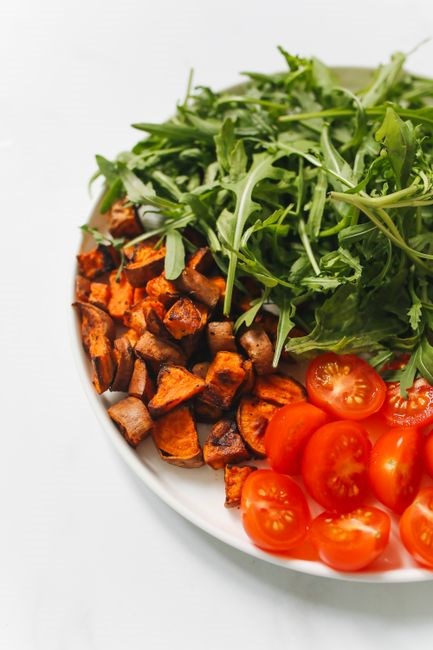
Wyse Guide celebrates sweet potatoes with vibrant recipes, like the Twice Baked Sweet Potatoes (https://bit.ly/35z4wNL). Their approach debunks the myth that healthy food is bland, offering bold flavors and practical tips for home cooks and garden enthusiasts alike. Seasoned growers reveal secrets!
Wyse Guide’s Signature Sweet Potato Recipes
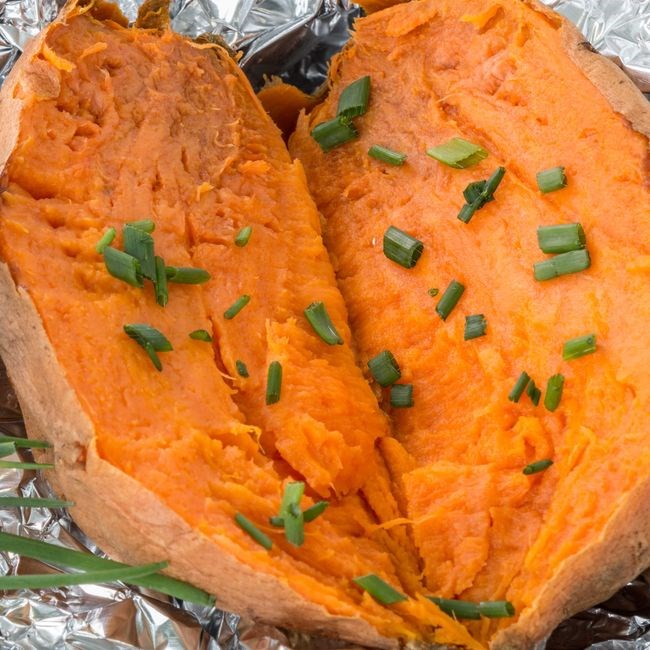
Wyse Guide’s Twice Baked Sweet Potatoes (https://bit.ly/35z4wNL) exemplify how to turn humble tubers into gourmet comfort food. The process begins with baking whole sweet potatoes until tender, then scooping out flesh, mixing with butter, brown sugar, cinnamon, and a splash of vanilla for sweetness. The mixture is spooned back into skins, topped with shredded cheddar, and baked again until the cheese melts into a golden crust. Serve hot, garnished with chopped chives or a drizzle of maple syrup for extra depth. This recipe proves that healthy cooking can be exciting, not bland, and it showcases the versatility of sweet potatoes in a single dish. Enjoy the creamy interior and crispy exterior in every bite.
Variations abound: swap butter for coconut oil to add a tropical twist, or stir in a handful of chopped pecans for crunch. For a savory spin, mix in roasted garlic and a pinch of smoked paprika before re‑baking. If you prefer a sweeter finish, drizzle honey over the top and sprinkle toasted coconut flakes. Each tweak transforms the classic Twice Baked into a personalized masterpiece that can suit any palate.
- Use sweet potato skins for a low‑carb side dish.
- Mix in a splash of orange juice for a citrusy glaze.
- Top with crumbled feta and fresh herbs for a Mediterranean twist.
These tweaks let you tailor the Twice Baked Sweet Potato to any meal—breakfast, lunch, or dinner. Experiment, taste, and enjoy the possibilities!!!
Nutrition and Health Benefits of Sweet Potatoes
Sweet potatoes are nutrient powerhouses, rich in beta‑carotene and vitamin C. Their complex carbs provide sustained energy and a low glycemic index, helping stabilize blood sugar. Antioxidants like anthocyanins protect cells from oxidative stress, reducing inflammation and supporting heart health. Vitamin B6 aids brain function and neurotransmitter synthesis, while potassium promotes healthy blood pressure. Fiber improves digestion and promotes satiety, making sweet potatoes a smart choice for weight management. The natural sugars are balanced by fiber, preventing rapid glucose spikes. Iron and magnesium support muscle function and oxygen transport. Incorporating sweet potatoes into meals enhances overall nutrient density, boosts immunity, and contributes to long‑term wellness.
Sweet potatoes contain trace minerals such as manganese, copper, and selenium, supporting enzymatic reactions and antioxidant defenses. Their high potassium content aids fluid balance and nerve signaling, while magnesium helps relax muscles and reduce cramps. The fiber promotes gut health and acts as a prebiotic, fostering beneficial gut flora. Regular consumption improves insulin sensitivity, lowers LDL cholesterol, and supports healthy vision thanks to beta‑carotene conversion to vitamin A. They are low in calories, making them an excellent component of weight‑loss diets without sacrificing flavor or satiety. They are versatile for any cuisine, roasted, mashed, or baked, and sweet too yum.
Sweet Potato Varieties Showcased by Wyse Guide
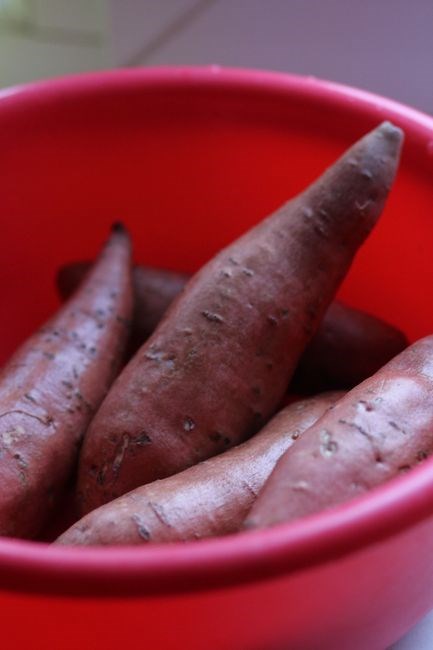
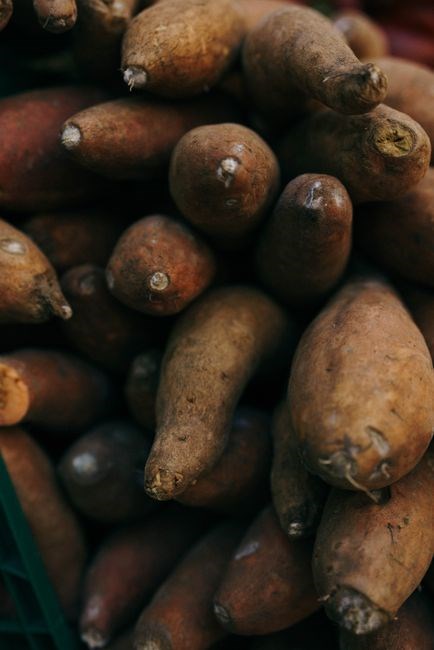
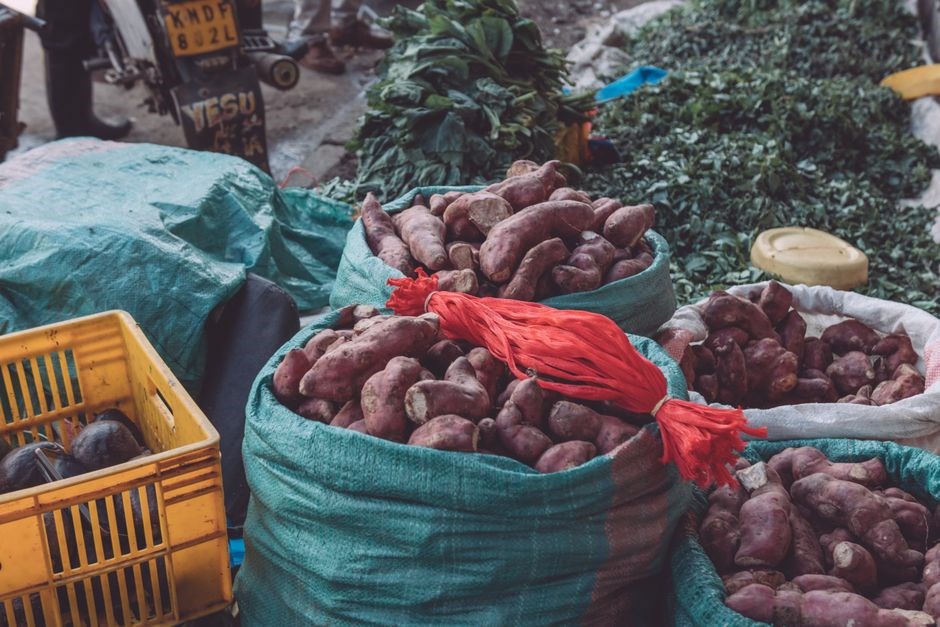
Wyse Guide celebrates a curated lineup of sweet potato varieties, each chosen for its unique flavor, texture, and culinary versatility. The iconic Beauregard delivers a bright orange flesh, buttery sweetness, and a smooth finish that excels in roasting or mashing. Jewel offers a deep orange interior with a slightly firmer bite, making it ideal for baking or crisp fries. The Yukon Gold presents a golden flesh, mild taste, and a creamy consistency that shines in gratins and soups. Red Norland features a reddish skin and a sweet, slightly nutty interior, perfect for stews and casseroles. For a striking visual, Purple Majesty boasts a vivid purple flesh rich in anthocyanins, providing a unique color and a subtle earthy flavor. The White Sweet Potato has a pale skin and a sweet, almost vanilla‑like taste, excellent for desserts and purees. Japanese Sweet (Satsuma‑imo) offers dense, sweet flesh that holds shape when cooked, ideal for tempura or chips. Finally, Red Delicious provides a caramel‑like flavor and crisp texture, making it a favorite for salads and roasted dishes.
These varieties differ in sugar content, beta‑carotene levels, and optimal harvest times. Beauregard peaks in mid‑summer with 15–20% sugar, while Jewel matures later with 12% sugar. Purple Majesty offers higher antioxidant content due to anthocyanins. Growers can select based on climate: warmer regions favor Beauregard and Jewel; cooler climates suit Yukon Gold and Red Norland. Wyse Guide recommends rotating varieties to maintain soil health and reduce disease pressure.
Growing Sweet Potatoes: Wyse Guide’s Gardening Tips
Wyse Guide recommends starting slips in late winter, transplanting after frost. Use loose, sandy loam, enrich with compost. Maintain 6‑8 inches spacing, mulch, and water. Rotate crops, avoid nightshade family, and harvest when skin hardens.!.
Choosing the Right Sweet Potato Varieties for Your Garden
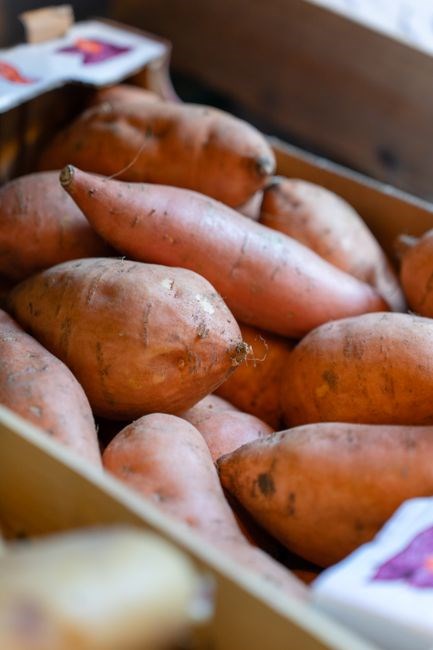
Wyse Guide highlights several sweet potato types that thrive in diverse climates. The “Beauregard” variety,known for its high yield and sweet flavor,uits warmer regions with long growing seasons.For cooler zones, “Covington” offers a shorter maturity period and a smooth, orange flesh that cooks quickly. The “Jewel” variety, prized for its deep red skin and creamy texture, is ideal for home gardens seeking a striking visual appeal. Additionally, the “O’Neal” cultivar, with its robust disease resistance and consistent tuber size, is recommended for novice growers looking for reliable results. When selecting a variety, consider your local soil pH, average temperature, and the length of your frost-free period. Pairing variety choice with proper planting depth—typically 4‑6 inches—and spacing of 12‑18 inches ensures optimal growth. Finally, consult local extension services or seed catalogs for region‑specific recommendations, as Wyse Guide emphasizes the importance of matching variety traits to garden conditions for maximum yield and flavor.
Choosing the right variety also depends on your garden’s light exposure. Full sun is ideal, but partial shade can be tolerated by some cultivars. Soil pH between 5.5 and 6.5 supports optimal nutrient uptake. Mulching with straw or compost helps retain moisture and suppress weeds. Regular scouting for pests like sweet potato weevils ensures a healthy crop. This planning ensures a bountiful harvest, with friends and family turning your garden into a source of pride!!
Optimal Soil and Climate Conditions for Sweet Potato Cultivation
Wyse Guide stresses that sweet potatoes thrive in well‑drained loam with a pH of 5.5‑6.5. The ideal soil texture is sandy loam, allowing tubers to expand without waterlogging. Incorporating organic matter—compost or well‑rotted manure—improves structure and nutrient availability. A light, loose topsoil of 12‑18 inches depth ensures easy tuber development. For climate, a frost‑free period of at least 120 days is essential. Sweet potatoes prefer warm days (70‑85°F) and cooler nights (55‑65°F). In cooler regions, choose early‑maturing varieties like “Covington” or “Jewel” to complete the cycle before the first frost. Adequate rainfall of 20‑30 inches per season, or supplemental irrigation, keeps soil moist but not saturated. Mulching with straw or shredded leaves conserves moisture and suppresses weeds. Avoid heavy clay soils that retain water, as they encourage rot. Proper drainage, a moderate temperature range, and consistent moisture are the key to a successful harvest, as Wyse Guide demonstrates in its detailed cultivation videos. For growers seeking maximum yield, Wyse Guide recommends a staggered planting schedule, spacing transplants 12 inches apart and rotating crops annually to prevent soil depletion. Incorporating a balanced fertilizer blend of 10‑20‑10 NPK, and applying a light mulch of shredded leaves, will boost tuber size and reduce weed pressure. Monitoring soil moisture with a simple hand‑probe ensures consistent hydration without over‑watering, which can cause rot or split tubers. Finally, Wyse Guide emphasizes post‑harvest care: cure tubers in a dry, shaded area for 48 hours, then store them in a cool, dark cellar with good airflow; this practice extends shelf life up to 8 weeks while preserving natural sweetness and texture. for optimal flavor.!!
Planting Techniques Featured in Wyse Guide’s Video Series
Wyse Guide’s video series showcases a step‑by‑step approach to planting sweet potatoes that maximizes yield and minimizes disease. First, the guide recommends selecting healthy, disease‑free slips that are 6‑8 inches tall and have a firm, pale, green stem. The slips are then soaked in a 1‑percent hydrogen peroxide solution for 30 minutes to eliminate surface pathogens. After soaking, the slips are wrapped in damp newspaper and stored in a warm, dark place for 7‑10 days until they develop a robust root system. The video demonstrates how to prepare the planting bed: a 12‑inch deep trench is dug, and the soil is loosened with a fork to a fine, sandy texture. Mulch is applied to the trench edges to retain moisture and suppress weeds. When planting, the guide places the slips about 12 inches apart, with the root end facing down and the stem 2‑3 inches above the soil surface. A light tamping of soil around each slip ensures good contact, and a thin layer of compost is added to provide nutrients. The video also covers the importance of spacing: 12‑inch spacing allows for optimal airflow, reducing the risk of fungal infections. After planting, the guide shows how to cover the slips with a 2‑inch layer of straw, which helps maintain soil moisture and temperature. The video emphasizes the need for consistent watering: 1‑2 inches of water per week, delivered early in the morning to avoid standing water overnight. Finally, the guide illustrates how to monitor growth: the first true leaves should appear within 10‑14 days, and the slips should be gently turned after 30 days to promote even root expansion. By following these techniques, growers can achieve larger, sweeter tubers with fewer pests and diseases, as demonstrated in Wyse Guide’s real‑world results. The series also highlights the use of irrigation system to deliver moisture to the root zone, reducing evaporation and conserving water! Additionally, the guide demonstrates how to apply a balanced 10‑20‑10 fertilizer at transplanting, and later a light top‑dressing of compost to support tuber growth. These practices ensure flavorful harvests.
Harvesting Sweet Potatoes: Timing and Methods
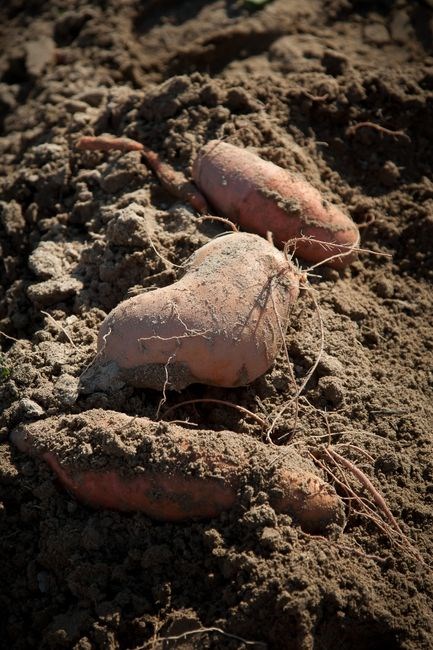
Wyse Guide recommends harvesting sweet potatoes when the foliage has begun to yellow and wilt, typically 90‑120 days after planting, depending on variety and climate. The guide’s video shows a gentle digging method: a shallow trench is made around the tuber cluster, and a garden fork is used to lift the soil in a controlled manner. This prevents damage to the skins and preserves the natural sugars that develop during the maturation period. After the tubers are exposed, they are brushed clean of excess soil and left to cure in a warm, dry, well‑ventilated area for 7‑10 days. The guide stresses the importance of checking for firmness: a firm, unblemished tuber should feel heavy for its size. Any that feel soft or show bruising are best used immediately or processed into preserves. For larger harvests, the guide suggests grouping tubers by size and storing them in breathable paper bags or mesh baskets, keeping them out of direct sunlight. The recommended storage temperature is 55‑60°F with 85‑90% humidity. The guide also warns against storing sweet potatoes in plastic bags, which trap moisture and encourage rot. When ready to eat, the guide demonstrates how to reheat in the oven or microwave, noting that a brief rest period after curing allows the sugars to caramelize, enhancing natural sweetness. By following these timing cues and careful handling techniques, growers can enjoy peak flavor and texture in every bite. The guide highlights using a moisture meter to ensure optimal soil moisture before harvesting, preventing premature shrinkage. Additionally, the guide advises against harvesting during a heatwave to avoid bitter aftertaste. Enjoy harvest!!
Storing Sweet Potatoes: Best Practices According to Wyse Guide
Wyse Guide’s storage protocol begins after the curing period, recommending a cool, dark room with temperatures between 55°F and 60°F and relative humidity around 85‑90%. The guide advises placing cured tubers in breathable paper bags or mesh baskets, avoiding plastic to prevent moisture buildup that leads to rot. Each bag should contain no more than 10–12 potatoes. The guide also recommends rotating the storage stack every two weeks to ensure even exposure to light and air, preventing uneven drying. For extended preservation, the guide suggests a controlled atmosphere chamber with low oxygen and high carbon dioxide levels, though this is typically for commercial use. When ready to use, the guide recommends a brief reheat in an oven at 350°F for 15 minutes to restore moisture and flavor. The guide also warns against storing sweet potatoes near onions or garlic, as the strong gases can cause sprouting. Finally, the guide’s community forum shares personal anecdotes about using a dedicated root cellar, noting that a consistent temperature cycle of 10‑15°F per day helps maintain quality. By following these steps, growers can keep sweet potatoes fresh for up to six months while preserving their natural sweetness and texture. Enjoy the harvest! The guide notes that storing in a dark, well‑ventilated area keeps the tuber’s natural vitamin A content intact, while reducing sprouting and preserving the earthy flavor. This approach ensures each bite delivers the sweet, buttery taste Wyse Guide fans love with hint of sea salt pepper!!!
Twice Baked Sweet Potatoes Recipe by Wyse Guide
Wyse Guide’s Twice Baked Sweet Potatoes elevate a humble tuber into a decadent, cloud‑soft centerpiece that satisfies both health and taste buds. The recipe begins with selecting medium‑sized, smooth‑skinned sweet potatoes, rinsed and pricked with a fork. Preheat the oven to 425°F (220°C) and bake the potatoes directly on the rack for 45–50 minutes, or until the skins crack and the flesh is tender. While the potatoes bake, prepare a luxurious filling: a mix of butter, sour cream, shredded cheddar, chives, and a dash of smoked paprika. Once baked, let the potatoes cool for five minutes, then slice each one lengthwise, carefully scooping out the flesh into a bowl. Reserve the skins for a crunchy garnish. In the bowl, mash the flesh with a fork, then fold in the butter, sour cream, cheese, and spices until the mixture is creamy and fragrant. Spoon the mixture back into the skins, topping each with extra cheese. Return the stuffed potatoes to the oven for an additional 10–12 minutes, or until the tops are golden and bubbling. Serve hot, garnished with chopped scallions and a drizzle of maple syrup for a sweet‑savory finish. This Twice Baked version delivers a creamy interior, crisp exterior, and a flavor profile that ranges from savory to subtly sweet, making it a crowd‑pleaser for brunches, holidays, or any special occasion; Enjoy the comforting, velvety texture that Wyse Guide’s culinary expertise brings to every bite! Taste the magic of home‑grown sweetness today!.
Healthy Sweet Potato Cooking: Debunking Misconceptions
Many people assume that a “healthy” sweet potato dish must be plain, low‑fat, or devoid of flavor. Wyse Guide’s philosophy turns that idea on its head, showing that nutrition and taste can coexist in harmony. First, remember that sweet potatoes are naturally sweet, so a touch of honey, maple syrup, or a sprinkle of brown sugar can enhance flavor without compromising health. Second, healthy doesn’t mean “fat‑free.” Adding a small amount of heart‑healthy oil, such as olive or avocado, or a dollop of Greek yogurt, boosts protein and healthy fats, keeping the dish satisfying and satiating. Third, cooking methods matter: steaming preserves nutrients better than boiling, while roasting caramelizes natural sugars, creating a deeper flavor profile that feels indulgent. Fourth, pairing sweet potatoes with complementary ingredients—like roasted chickpeas, sautéed kale, a splash of lime, or a pinch of cumin—adds texture, complexity, and a burst of aroma. Fifth, portion control is key: a medium sweet potato (about 150 g) delivers roughly 100 kcal, 2 g protein, 26 g carbs, 4 g fiber, and 10 mg of vitamin A, making it a nutrient‑dense choice that satisfies hunger without excess. By embracing these techniques, you can create vibrant, nutrient‑rich meals that defy the bland stereotype. Wyse Guide’s approach encourages experimentation, proving that healthy cooking can be delicious, colorful, and satisfying for any palate.
Additionally, the timing of consumption matters. Eating sweet potatoes earlier in the day can provide sustained energy, while a small sweet potato snack in the evening can satisfy sweet cravings without spiking blood sugar dramatically. Seasonal spices like cinnamon, nutmeg, or smoked paprika can transform a simple bake into a gourmet experience. Finally, remember that the skin is edible and rich in antioxidants; simply wash and roast the whole tuber for a fiber‑packed snack. By challenging the myth that healthy food must be bland, Wyse Guide invites you to explore bold flavors, smart cooking methods, and balanced nutrition in every bite. With these insights, you’ll discover that healthy sweet potato cooking is not only possible but also irresistibly tasty. Try it tonight and taste the difference. Enjoy! Stay curious. Discover the joy of healthy flavor today. Savor! Go.
Sweet Potato and Shallot Pairing: Insights from Wyse Guide
Wyse Guide’s latest video series showcases a delightful combination of sweet potatoes and shallots, a pairing that balances earthy sweetness with sharp, caramelized onion notes. In the “Planting Shallots” episode, Kaleb demonstrates how to grow shallots in a raised bed, ensuring a fresh crop ready for the sweet potato harvest. The synergy between the two vegetables is highlighted during the “Harvesting Sweet Potatoes” segment, where Kaleb visits his mother’s garden to gather the final sweet potato yields. By layering thinly sliced shallots over roasted sweet potato wedges, the dish gains a subtle crunch and a savory depth that elevates simple comfort food into a gourmet experience. The guide recommends sautéing shallots in a touch of olive oil until translucent, then tossing them with roasted sweet potato cubes and a sprinkle of fresh thyme. This technique locks in moisture and enhances the natural sugars of the potato, creating a harmonious flavor profile that satisfies both sweet and savory cravings.
For those who enjoy a touch of heat, adding a pinch of cayenne pepper or a drizzle of balsamic glaze after combining the shallots and sweet potatoes can introduce a subtle kick and a glossy finish. The video also suggests incorporating a handful of toasted pumpkin seeds for added crunch and omega‑3 fatty acids. By experimenting with these variations, home cooks can tailor the dish to personal taste while maintaining the wholesome foundation that Wyse Guide champions. The pairing’s versatility extends to different cooking methods: steaming the sweet potato first, then finishing with a shallot‑butter sauce, or baking the vegetables together in a foil packet for a hands‑off approach. Each method preserves nutrients and enhances flavor, proving that the sweet potato‑shallot combination is both adaptable and delicious.
Remember to season lightly with sea salt and freshly cracked pepper before roasting, as this simple step brightens the natural sweetness of the potato and the aromatic sharpness of the shallots. The result is a dish that feels indulgent yet remains healthy, aligning perfectly with Wyse Guide’s mission to make cooking exciting.
Cooking Tips for Enhancing Sweet Potato Flavor
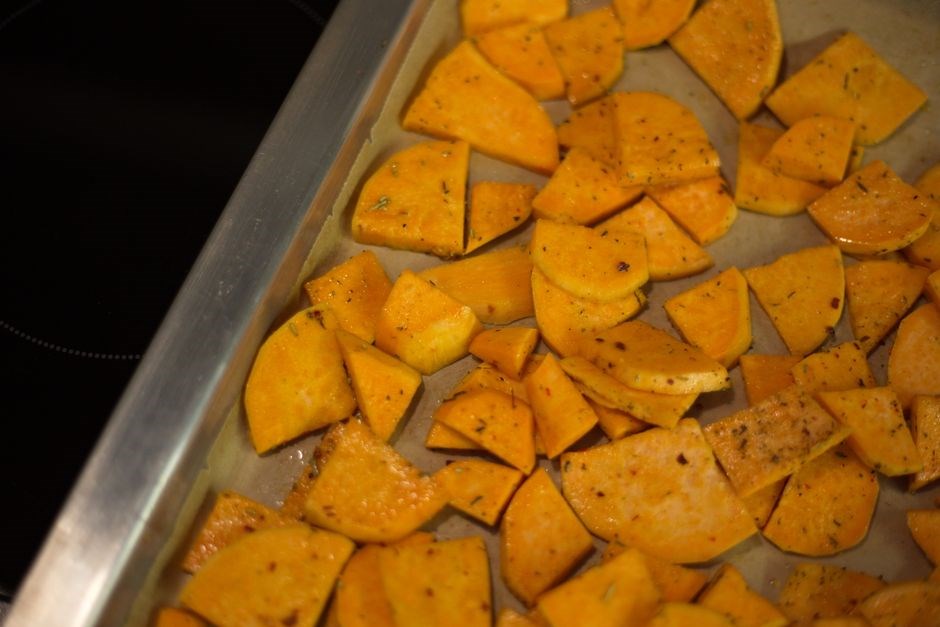
Wyse Guide’s sweet potato tips unlock natural sweetness while adding depth. Start with firm, blemish‑free tubers; wash and pat dry for crisp edges. Toss diced potatoes in olive oil, sea salt, and pepper, then roast at 425°F (220°C) for 25–30 minutes, turning halfway. The result is caramelized, tender wedges that showcase the potato’s inherent flavor.
Seasoning is key. Add smoked paprika or cumin for earthiness, or cinnamon for warmth. A drizzle of soy sauce and honey creates a sweet‑savory glaze; finish under a broiler for a glossy crust. For creaminess, top roasted wedges with Greek yogurt or coconut milk and sprinkle toasted pumpkin seeds for crunch. Try adding a pinch of smoked paprika for a subtle smoky depth tonight.
Cooking methods shape flavor. Steaming preserves moisture; baking concentrates sweetness. For a quick side, sauté sliced sweet potatoes in butter and garlic until golden; finish with a squeeze of fresh lemon juice. When baking whole tubers, pierce the skin, rub with butter, sprinkle brown sugar, and bake at 400°F (200°C) for 45–60 minutes. The sugar caramelizes, creating a sweet crust that balances mild heat.
Let roasted sweet potatoes rest a few minutes before serving; this redistributes steam, keeping each bite moist and flavorful. By combining proper selection, seasoning, cooking method, and finishing touches, Wyse Guide proves that sweet potatoes can be wholesome and irresistibly tasty.
Wyse Guide’s Sweet Potato Community Resources
Wyse Guide invites enthusiasts to join a thriving online community where ideas, photos, and tips flow freely. The dedicated forum hosts themed threads—“Best Harvest Stories,” “Creative Recipe Swaps,” and “Garden Troubleshooting”—allowing members to share successes and seek guidance from seasoned growers.
Monthly live Q&A sessions with Kaleb and guest chefs provide real‑time advice on everything from selecting the right sweet‑potato variety to mastering advanced cooking techniques. Participants can submit questions in advance or during the broadcast, ensuring personalized support.
Exclusive downloadable resources, such as seed‑starter kits, soil‑testing checklists, and seasonal planting calendars, are available to registered members. A vibrant photo gallery showcases user‑submitted dishes, inspiring new flavor combinations and celebrating culinary creativity.
Members also benefit from a monthly newsletter featuring seasonal recipes, spotlight interviews with local farmers, and exclusive discount codes for organic supplies. The newsletter’s interactive polls help shape future content, ensuring the community stays engaged and informed.
For those eager to dive deeper, Wyse Guide hosts quarterly workshops that cover advanced soil science, pest management, and culinary plating techniques. Participants receive certificates of completion and a curated list of recommended suppliers.
Stay with social media and share your sweet‑potato adventures!!.