Jordan Travel Guide: An Overview
Jordan beckons with ancient wonders and breathtaking landscapes, offering a unique travel experience. Currently, it’s an ideal time to explore,
with fewer tourists and reduced costs. Discover the rose-red city of Petra, the vast desert of Wadi Rum, and the therapeutic Dead Sea.
Current Travel Conditions (as of 01/23/2026)
As of today, January 23, 2026, Jordan presents a remarkably opportune moment for travel. The ongoing situation in Israel-Palestine has significantly impacted tourism, leading to a substantial decrease in visitor numbers at key sites like Petra and Wadi Rum. This translates to a more intimate and less crowded experience for those who choose to visit now.
Interestingly, even official government travel advisory websites do not currently recommend avoiding Jordan, indicating a high level of safety for tourists. This lull in tourism also means potential savings on accommodation and other travel expenses. Locals are reportedly particularly welcoming and enthusiastic about receiving visitors during this period.
Essentially, Jordan’s typical high season has been effectively cancelled, creating a unique window to enjoy its treasures without the usual throngs of people. It’s a chance to truly connect with the country’s beauty and culture.
Safety in Jordan
Jordan is widely considered a very safe country for tourists. Reports consistently indicate a secure environment for visitors exploring its historical sites and natural wonders. Recent experiences, including travel in September/October 2024, confirm a feeling of safety throughout the country, with no noticeable impact from regional conflicts beyond a reduction in tourist numbers.
Even government travel advisory websites, often cautious in their recommendations, do not currently advise against travel to Jordan. This reinforces the perception of a stable and secure destination. Travelers can confidently explore popular locations like Petra, Wadi Rum, and Aqaba, enjoying the hospitality of the Jordanian people.
While it’s always prudent to remain aware of your surroundings, Jordan generally presents a low risk to tourists, making it an appealing choice for those seeking a worry-free travel experience.
Planning Your Trip
Careful planning unlocks Jordan’s treasures! Spring (March-May) and autumn (September-November) offer comfortable temperatures. A 5-day itinerary allows exploration of key sites, maximizing your adventure.
Best Time to Visit Jordan
Determining the optimal time to visit Jordan hinges on your tolerance for heat and crowds. Generally, the spring months of March through May, and the autumn period spanning September to November, present the most agreeable weather conditions. During these seasons, the air temperature is comfortably warm, ideal for exploring ancient sites like Petra and traversing the Wadi Rum desert without the scorching intensity of summer.
However, currently (as of early 2026), the situation is unique. Due to geopolitical factors impacting regional tourism, Jordan is experiencing significantly fewer visitors than usual. This presents a compelling opportunity to visit now, enjoying a more intimate experience at popular destinations. While the weather might not be perfect outside of the traditional peak seasons, the benefits of avoiding crowds and potentially benefiting from lower prices are substantial. Consider late afternoon visits to Petra for optimal viewing and light, especially around sunset.
5-Day Jordan Itinerary Considerations
Planning a 5-day trip to Jordan requires prioritizing key destinations. A common itinerary focuses on Petra, Wadi Rum, and the Dead Sea, potentially including a brief visit to Amman. Allocate at least two full days to Petra, allowing ample time to explore its vastness and hidden trails. One to two days should be dedicated to the otherworldly landscapes of Wadi Rum, perhaps including an overnight stay in a Bedouin camp for an immersive experience.
The Dead Sea deserves a half to full day for floating in its mineral-rich waters and indulging in mud treatments. Consider incorporating a northern Jordan road trip to discover lesser-known historical sites and experience local culture. Given the current reduced tourist numbers, flexibility is key – you might find yourself with exclusive access to sites, allowing for spontaneous exploration and a more personalized journey. Remember to factor in travel time between locations.

Must-See Destinations
Jordan boasts incredible sites! Explore Petra’s rose-red facades, wander Wadi Rum’s desert expanses, float in the Dead Sea’s healing waters, and dive into Aqaba’s Red Sea adventures.
Petra: The Rose City
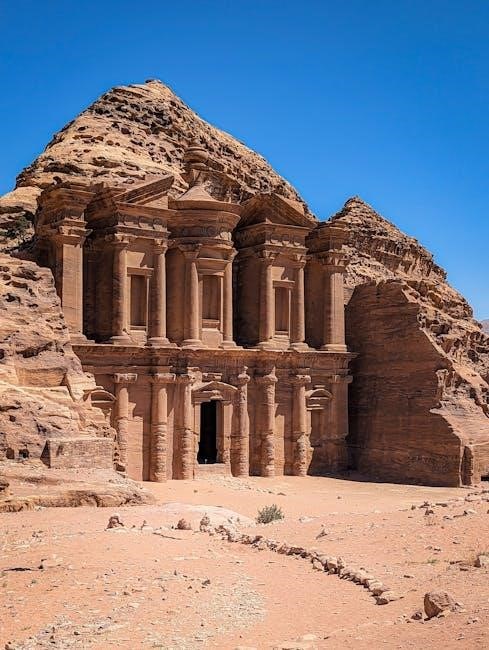
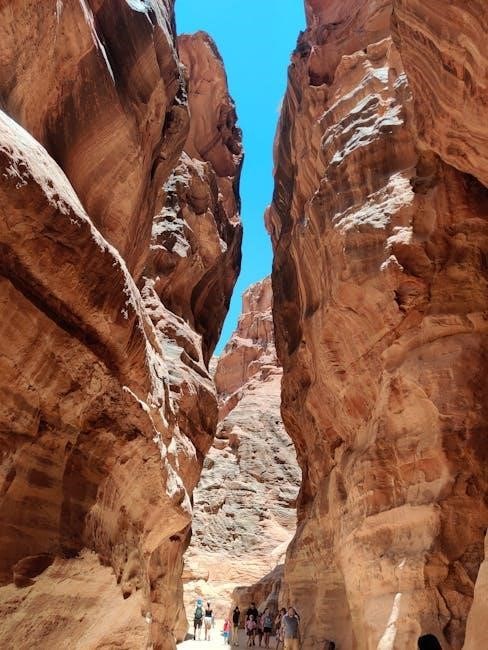
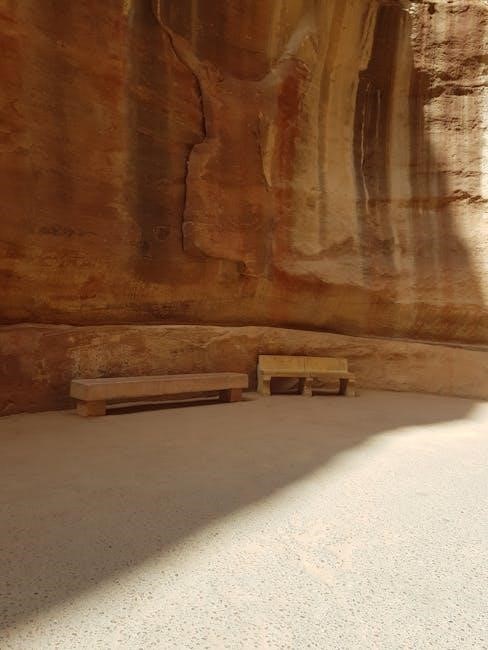
Petra, a UNESCO World Heritage site, is Jordan’s most famous attraction and rightfully so. Carved into sandstone cliffs, this ancient Nabataean city is a breathtaking spectacle. Walking through the Siq, a narrow gorge, dramatically reveals the Treasury (Al-Khazneh), Petra’s iconic facade.
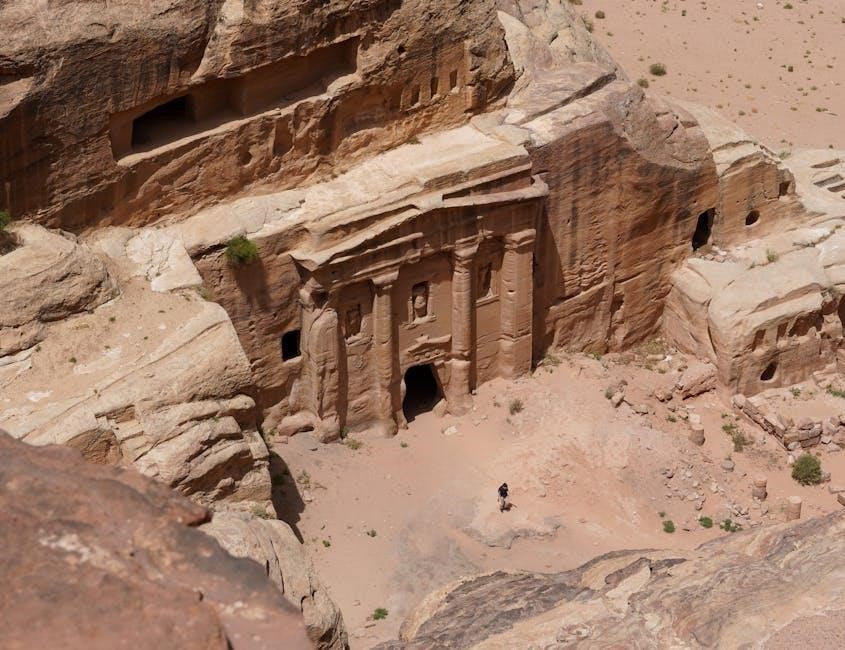
Beyond the Treasury, explore monasteries, royal tombs, and a Roman theatre. The site is vast, requiring at least a full day to appreciate its grandeur. Currently, with fewer tourists, you might experience the wonder of having sections of Petra almost entirely to yourself, a truly unique opportunity.
Optimal viewing times are in the late afternoon for the best light and during sunset, when the sandstone glows with an ethereal beauty. Petra is more than just a destination; it’s a journey through history and a testament to human ingenuity.
Wadi Rum: Desert Landscapes
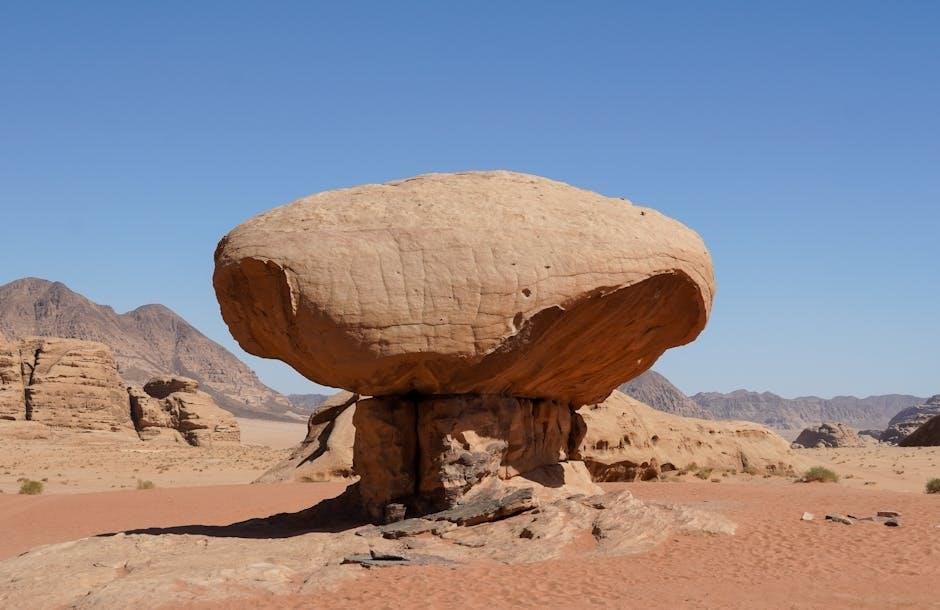
Wadi Rum, a protected desert wilderness in southern Jordan, offers an otherworldly experience. Characterized by dramatic sandstone mountains, narrow gorges, and vast expanses of sand, it’s a landscape that feels both ancient and alien. Often described as “Martian,” Wadi Rum has been a backdrop for numerous films.
Explore the desert by 4×4, camel, or on foot, immersing yourself in its serene beauty; Bedouin camps provide authentic overnight stays, complete with traditional meals and stargazing opportunities. The current decrease in tourism means a more peaceful and intimate desert experience is readily available.
Wadi Rum is best visited as part of a northern Jordan road trip, allowing for a comprehensive exploration of the country’s diverse landscapes. It’s a place to disconnect, reconnect with nature, and witness the magic of the desert.
The Dead Sea: Healing Waters
The Dead Sea, bordering Jordan to the east, is renowned for its incredibly high salt concentration, making it easy to float effortlessly. This unique feature attracts visitors seeking relaxation and therapeutic benefits. The mineral-rich mud is believed to have healing properties for skin conditions and joint pain.
Beyond floating, indulge in mud treatments at resorts along the shoreline. The Dead Sea is the lowest point on earth, adding to its mystique. With fewer tourists currently visiting Jordan, you can enjoy a more tranquil experience at this natural wonder.
Consider extending your visit to include water sports in nearby Aqaba, offering a contrast to the Dead Sea’s stillness. It’s a truly unforgettable destination, blending natural beauty with wellness opportunities.
Aqaba: Red Sea Adventures
Aqaba, Jordan’s coastal city on the Red Sea, offers a vibrant contrast to the desert landscapes. It’s a haven for water sports enthusiasts, boasting incredible opportunities for diving and snorkeling. The Red Sea’s coral reefs are teeming with marine life, providing a spectacular underwater experience.
Beyond diving, enjoy various water activities like windsurfing, jet skiing, and boat trips. Aqaba also offers a relaxed atmosphere with beaches, restaurants, and shops. It’s a duty-free zone, making it a great place to find souvenirs.
Currently, with reduced tourist numbers, Aqaba provides a more peaceful escape. Combine your desert adventures with a refreshing dip in the Red Sea for a well-rounded Jordanian experience. It’s a perfect destination for those seeking both relaxation and adventure.
Practical Information
Planning your Jordanian adventure requires understanding entry fees, accommodation choices, and transportation options. Costs are currently lower due to decreased tourism,
making it an opportune time to visit.
Jordan Entry Fees
Understanding Jordan’s entry requirements and associated costs is crucial for budget planning. The Jordan Pass is highly recommended, offering access to over 40 attractions, including Petra, and waiving the standard tourist visa fee upon entry if you stay a minimum of three nights. Currently, the Jordan Pass prices vary depending on the duration of access – options include 1, 2, or 3-day passes, as well as longer-duration options.
Without the Jordan Pass, a single entry visa costs approximately 40 Jordanian Dinars (JOD), roughly equivalent to $56 USD. Petra’s entry fees alone can be substantial, with a one-day ticket costing 50 JOD (around $70 USD). Considering these costs, the Jordan Pass often represents significant savings, especially for those planning to visit multiple sites. Remember to factor in potential costs for Wadi Rum permits and activities, which are typically separate from the Jordan Pass.
Accommodation Options
Jordan offers a diverse range of accommodation to suit every budget and preference. From luxurious five-star hotels in Amman and Aqaba to charming boutique hotels nestled in historic towns, choices abound. Budget travelers can find comfortable hostels and guesthouses, particularly in popular tourist hubs like Petra and Wadi Rum.
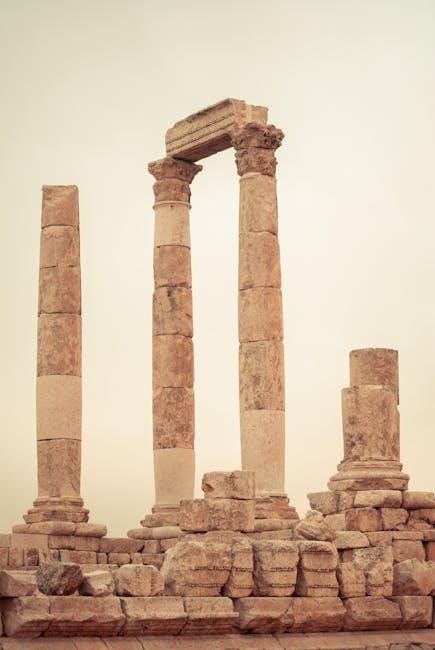
Unique experiences are readily available, including Bedouin camps in Wadi Rum offering authentic desert stays, and resorts along the Dead Sea providing access to therapeutic mud and waters. Hotel rates are currently more favorable due to decreased tourism, presenting opportunities for excellent value. Expect to pay anywhere from $30 per night for a basic hostel bed to $200+ for a high-end hotel room. Booking in advance, especially during peak seasons (spring and autumn), is advisable to secure your preferred lodging.
Transportation in Jordan
Navigating Jordan presents several options, catering to different travel styles and budgets. Renting a car provides flexibility, especially for exploring beyond major cities and undertaking a northern Jordan road trip. However, driving can be challenging due to unfamiliar roads and local driving habits.
Public transportation includes buses connecting major cities, though schedules can be infrequent. JETT buses offer a more comfortable and reliable option for longer distances. Taxis are readily available in urban areas, but agree on a fare beforehand. For specific experiences, consider organized tours to destinations like Petra and Wadi Rum, often including transportation. Given the current tourism climate, transportation costs may be lower than usual. Utilizing a combination of these methods allows for a comprehensive exploration of Jordan’s diverse landscapes.

Experiencing Jordanian Culture
Jordanian hospitality is renowned; expect warm welcomes and generous offers of tea or coffee. Immerse yourself in local traditions and embrace the friendly atmosphere throughout your journey.
Local Hospitality
Jordanian culture deeply values hospitality, and visitors consistently remark on the warmth and generosity of the Jordanian people. Expect to be greeted with genuine smiles and offered traditional welcomes, often including a cup of sweet tea or strong, aromatic coffee.
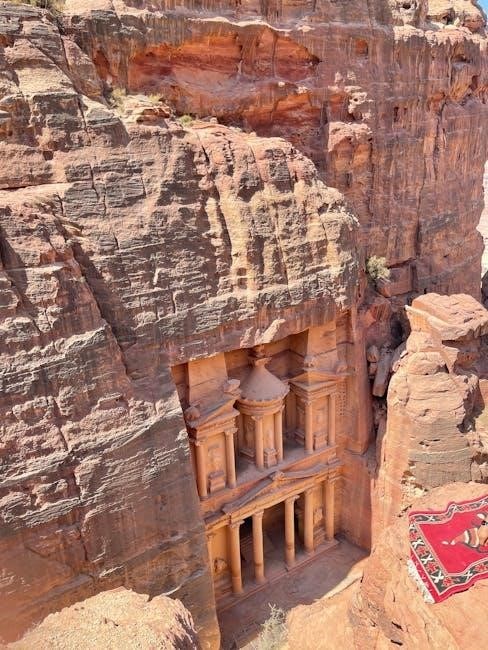
Don’t be surprised if you’re invited into homes for a meal or offered assistance without asking – it’s simply a part of their way of life. This genuine kindness extends beyond formal interactions; shopkeepers are often eager to chat, and locals will happily share insights into their traditions and history.
Embrace these opportunities to connect with Jordanians, as it will significantly enrich your travel experience. Showing respect for local customs, such as dressing modestly and accepting offers of hospitality, will be greatly appreciated. This cultural immersion is a highlight for many travelers, creating lasting memories and a deeper understanding of Jordan.
Northern Jordan Road Trip Potential
Northern Jordan presents a fantastic opportunity for an immersive road trip, revealing a side of the country often overlooked by those solely focused on Petra. This region boasts a wealth of historical sites, including Roman ruins at Umm Qais offering stunning views of the Sea of Galilee, and the impressive Ajloun Castle, a 12th-century Muslim fortress.
Explore the charming town of Irbid, known for its local markets and authentic Jordanian life. The landscape transitions from rolling hills to fertile plains, providing scenic drives and opportunities for hiking. Consider visiting the pine forests of Dibeen Nature Reserve for a refreshing escape.
A northern road trip allows for a deeper connection with Jordanian culture and a chance to experience the country beyond its iconic landmarks. It’s best visited as part of a longer itinerary, allowing ample time to savor the region’s unique charm and hospitality.
Maximizing Your Visit
To fully appreciate Petra’s beauty, plan your visit for late afternoon, capturing the mesmerizing views and light as the sun sets upon the rose-red facades.
Petra: Optimal Viewing Times
Experiencing Petra at its most magical requires strategic timing. While accessible throughout the day, the light dramatically impacts the visual spectacle. Early mornings offer cooler temperatures for the walk, but the sandstone doesn’t yet glow with intensity. Midday provides harsh sunlight, washing out some of the intricate details carved into the rock.
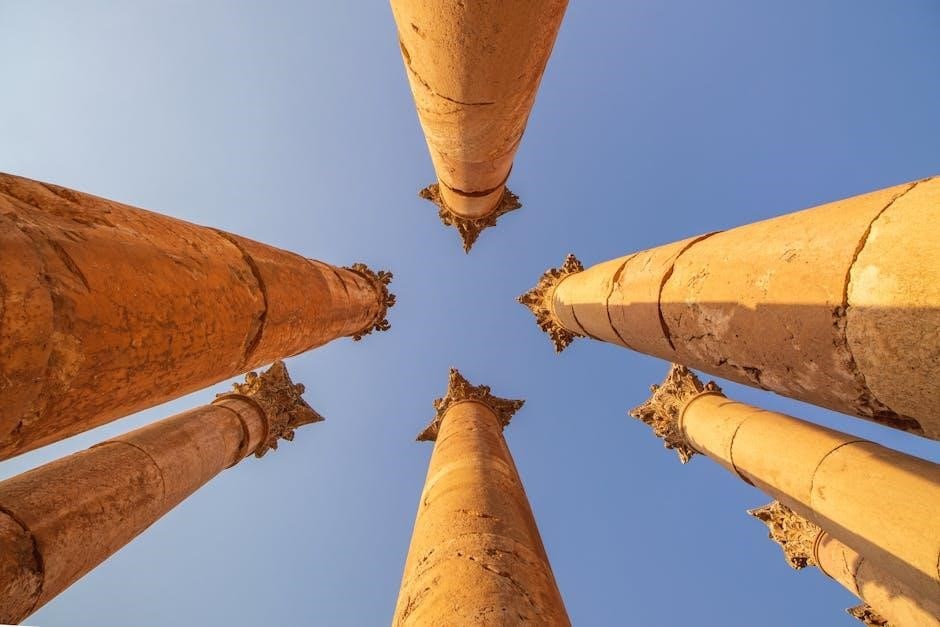
However, the late afternoon is widely considered the optimal time. As the sun descends, the sandstone cliffs transform, radiating a warm, reddish hue that enhances the city’s nickname, “The Rose City.” The shadows lengthen, accentuating the carvings and creating a truly breathtaking panorama. Sunset itself is a particularly stunning moment, though it can become crowded.
Consider a second visit during Petra by Night, a candlelit experience offering a different, atmospheric perspective. Allow ample time to explore; Petra is vast, and rushing diminishes the experience. Prioritize the Monastery and the Treasury for prime viewing opportunities.