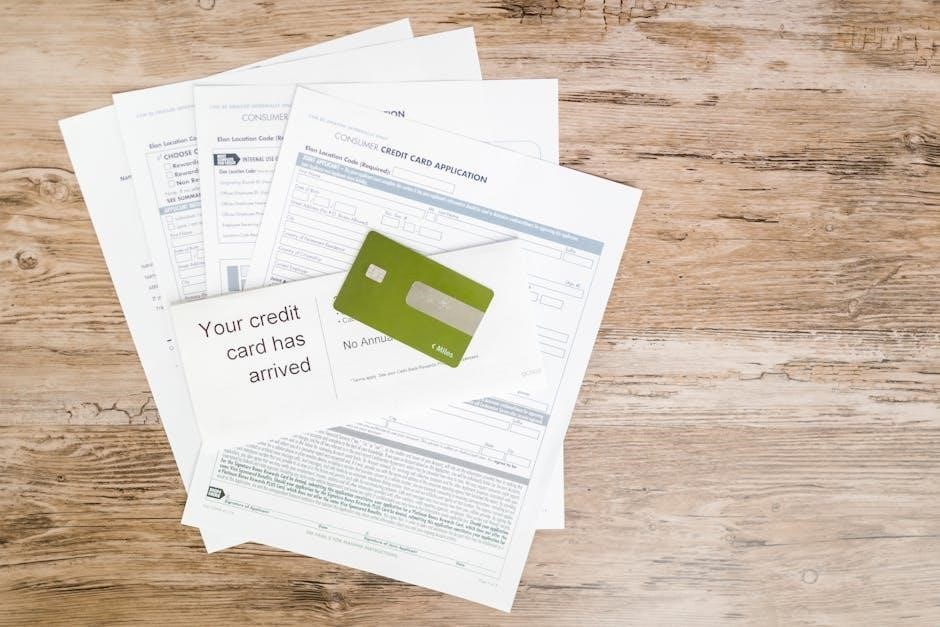
Understanding the Washington State Legal Aid Application Form
Navigating the WA legal aid application requires understanding its core purpose: providing civil legal assistance to eligible low-income individuals and families.
What is Legal Aid?
Legal Aid encompasses a broad spectrum of free civil legal services offered to individuals who cannot afford representation. In Washington State, these services are crucial for ensuring equal access to justice, particularly for vulnerable populations facing challenges like housing disputes, family law matters, and public benefits issues.
The core principle behind Legal Aid is that everyone, regardless of their financial situation, deserves a fair hearing in court. Organizations providing Legal Aid assist with various legal tasks, including advice, brief services, and full representation. They operate through a network of non-profit organizations and pro bono attorneys, striving to bridge the justice gap and empower individuals to navigate complex legal systems effectively. Understanding the ‘legality’ of claims is paramount.
Eligibility Requirements for WA Legal Aid
Determining eligibility for Washington State Legal Aid hinges primarily on income and asset limitations. Generally, applicants must demonstrate income below 125% of the federal poverty level, though specific thresholds vary by household size. Asset limits also apply, considering resources like bank accounts and property.
Beyond financial criteria, Legal Aid prioritizes cases based on the severity of the legal issue and the potential impact on the applicant’s life. Certain case types, like those involving basic human needs (housing, safety, family), receive higher priority. It’s crucial to understand that ‘lawful’ actions and ‘legitimate’ claims are central to consideration. Not all legal problems fall within Legal Aid’s scope; focusing on civil, not criminal, matters is key.

The Application Process: A Step-by-Step Guide
The WA Legal Aid application involves defining your legal issue, gathering documentation, and completing the form accurately. Expect a review process and potential follow-up requests.
Step 1: Determining Your Legal Issue
Before initiating the Washington State Legal Aid application, clearly define the legal problem you’re facing. Legal Aid organizations typically focus on civil matters – issues impacting fundamental human needs like housing, family law, public benefits, and consumer protection.
Consider if your situation involves a dispute with a landlord, a divorce or child custody matter, denial of essential benefits, or problems with debt collection.
Understanding the specific facts and legal questions involved is crucial. Legal Aid has a scope; not all legal issues qualify for assistance. Click on your legal issue to know what to expect when applying for legal aid. Accurately identifying your legal issue streamlines the application and assessment process, increasing your chances of receiving appropriate support.
Step 2: Gathering Necessary Documentation
A complete Washington State Legal Aid application necessitates compiling supporting documents. This proactive step significantly expedites the review process. Essential documents include recent pay stubs, benefit statements (Social Security, unemployment, etc.), and any official notices related to your legal issue.
For housing matters, gather lease agreements, eviction notices, or correspondence with landlords. Family law cases require marriage certificates, birth certificates of children, and any existing court orders.
Organizing these documents before starting the application prevents delays. Proof of income is critical for determining eligibility. Having everything readily available demonstrates preparedness and strengthens your application.
Step 3: Completing the Application Form
Carefully and truthfully completing the Washington State Legal Aid application is paramount. Read each question thoroughly before responding. Provide concise, accurate answers, avoiding jargon or overly complex explanations. Honesty is crucial; misrepresentation can lead to denial.
Pay close attention to the financial sections, detailing all income sources and assets. Clearly articulate the details of your legal problem in the designated space, outlining the key events and desired outcome.
Double-check all entries for errors before submission. An incomplete or inaccurate application will likely be returned, causing delays. If unsure about a question, seek assistance from a local legal aid organization or Washington LawHelp.

Key Sections of the WA Legal Aid Application Form
The form centers around personal details, a thorough financial disclosure, and a comprehensive explanation of the specific legal issue requiring assistance.
Section 1: Personal Information
This initial section of the Washington State Legal Aid application meticulously gathers fundamental identifying details. Applicants will be required to provide their complete legal name, current address, contact phone number, and email address. Accurate information is crucial for effective communication and case management.
Furthermore, the form requests details regarding household composition, including the number of individuals residing with the applicant and their relationships. Information about citizenship or immigration status is also typically requested, as this can impact eligibility for certain legal services.
Providing truthful and complete personal information is paramount; any discrepancies could potentially delay or jeopardize the application process. This section establishes the applicant’s identity and provides a foundation for assessing eligibility.
Section 2: Financial Information & Income Verification
A core component of the WA Legal Aid application centers on a thorough assessment of the applicant’s financial situation. This section demands detailed disclosure of all income sources, including wages, salaries, public assistance benefits (like unemployment or Social Security), and any other form of financial support.
Applicants must accurately report their gross monthly income, and often, provide supporting documentation such as recent pay stubs, benefit statements, or tax returns. The application will also inquire about assets, such as bank accounts, property ownership, and investments.
Legal Aid organizations utilize this information to determine financial eligibility, as services are generally reserved for individuals and families falling below specific income thresholds. Accurate and complete financial disclosure is essential for a fair evaluation.
Section 3: Details of Your Legal Problem
This crucial section of the WA Legal Aid application requires a clear and concise explanation of the legal issue you are facing. Applicants must articulate the nature of their problem, providing specific details about the events that led to the legal dispute.
The form typically asks for dates, names of involved parties, and a summary of the relevant facts. It’s important to be truthful and comprehensive, as this information helps Legal Aid assess whether your case falls within their areas of expertise and if they can offer assistance.
Clearly stating the desired outcome – what you hope to achieve through legal aid – is also vital. This section determines if the case is “legitimate” and “lawful” within their scope.

Supporting Documents Required
Submitting proof of income and documentation related to your legal case is essential for a complete WA Legal Aid application review.
Proof of Income (Pay Stubs, Benefits Statements)
Demonstrating financial need is a cornerstone of WA Legal Aid eligibility. Applicants must provide verifiable documentation of all income sources. Acceptable proof includes recent pay stubs – typically covering the last 30 days – detailing gross earnings and deductions.
If you receive government benefits, such as Social Security, unemployment, or TANF, submit official benefit statements outlining the amount and frequency of payments. Self-employment income requires tax returns or profit and loss statements.
Providing complete and accurate income information streamlines the application process and ensures a fair assessment of your financial situation. Failure to submit adequate proof may result in application delays or denial.
Documentation Related to Your Legal Case
Alongside income verification, WA Legal Aid requires documentation substantiating your legal issue. The specific documents vary depending on the nature of your case. For example, eviction notices, court summonses, or complaints are crucial for housing disputes.
Family law matters necessitate divorce decrees, custody orders, or protection orders. Employment issues require termination letters or wage statements. Gathering these documents early streamlines the application.
Providing clear and organized documentation allows Legal Aid attorneys to quickly assess the merits of your case and determine if they can offer assistance. Missing or incomplete documentation can delay processing.

Common Reasons for Application Denial
Applications are often denied if income surpasses established limits, or if the legal issue falls outside the scope of services offered by WA Legal Aid.
Income Exceeds the Limit
A primary reason for denial centers around income eligibility. Washington State Legal Aid operates with strict financial guidelines to serve those most in need. Applicants must demonstrate income below a specified threshold, which varies based on household size. This threshold is regularly updated to reflect changes in the cost of living and federal poverty levels.
Even if an applicant’s income is slightly above the limit, they may still be considered if they can demonstrate extenuating circumstances, such as significant medical expenses or other substantial financial hardships. Thorough documentation of all income sources – including wages, benefits, and any other financial support – is crucial. Failure to accurately report income, or providing incomplete information, will likely result in application denial. Applicants should carefully review the current income guidelines before submitting their application.
Case Does Not Fall Within Legal Aid’s Scope
Legal Aid organizations have defined areas of practice and cannot assist with all legal issues. Washington State Legal Aid prioritizes cases involving basic human needs – housing, family law (particularly domestic violence), public benefits, and essential consumer issues. Consequently, applications involving matters like criminal defense, business disputes, or complex civil litigation are typically outside their scope of services.
Even within eligible areas, Legal Aid may have limitations based on case complexity or available resources. Applicants should carefully review the types of cases Legal Aid accepts before applying. A clear description of the legal problem is essential; if it falls outside their purview, the application will be denied. Resources for other legal assistance options will often be provided in such instances.

Resources for Assistance with the Application
Local Washington State Legal Aid organizations and the Washington LawHelp website offer guidance and support throughout the application process.
Local Legal Aid Organizations in Washington State
Washington State boasts a network of dedicated legal aid organizations committed to serving individuals and families facing civil legal challenges. These organizations provide free legal assistance to those who qualify, offering support in areas like housing, family law, and public benefits.
Organizations such as Columbia Legal Services, Northwest Justice Project, and Legal Voice offer varying specializations and service areas within the state. Finding the right organization depends on your specific legal issue and location. Many provide online resources, self-help materials, and workshops to empower individuals to navigate the legal system.
Furthermore, county bar associations often maintain lists of pro bono attorneys willing to offer limited-scope representation. Utilizing these local resources can significantly improve your chances of successfully completing the WA legal aid application and accessing the assistance you need.
Washington LawHelp Website

The Washington LawHelp website (www.washingtonlawhelp.org) serves as an invaluable online resource for individuals seeking legal information and assistance within the state. It’s a non-profit initiative dedicated to providing free, reliable, and up-to-date legal resources to the public.
The website offers a wealth of information, including self-help guides, legal forms, and a directory of legal aid providers throughout Washington. Crucially, it provides detailed guidance on navigating the WA legal aid application process, explaining eligibility requirements and necessary documentation.
Users can find answers to frequently asked questions, learn about their legal rights, and even access interactive tools to help them prepare for court. Washington LawHelp is a crucial starting point for anyone seeking to understand and access legal aid services in Washington State.

Understanding Legal Terminology on the Form
The application utilizes specific legal terms like “legitimate” and “lawful,” demanding clarity; understanding these definitions is crucial for accurate completion and assessment.
Defining “Legitimate” Legal Claims
When completing the Washington State Legal Aid application, understanding what constitutes a “legitimate” legal claim is paramount. This doesn’t simply mean a claim that feels right, but one grounded in established legal principles and possessing a reasonable probability of success. Legal Aid organizations prioritize cases with a clear legal basis, supported by evidence and applicable laws.
A legitimate claim typically involves a recognized legal right that has been violated, or a legally enforceable obligation that hasn’t been met. It’s about more than just a dispute; it requires a demonstrable legal wrong. The form assesses whether your issue falls within areas Legal Aid typically covers – such as housing, family law, or public benefits – further defining legitimacy within their scope of services. Claims lacking a solid legal foundation are less likely to receive assistance.
Understanding “Lawful” Actions in Context
The Washington State Legal Aid application assesses not only the legality of your situation, but also the context surrounding the actions involved. Simply stating an action was “lawful” isn’t sufficient; Legal Aid needs to understand how it was lawful and whether it aligns with their service areas. A lawful action, in this context, means it adheres to existing laws and regulations, but it must also be relevant to the types of cases they support.
For example, a lawfully executed contract might still be challenged if it’s unconscionable or obtained through fraud. Legal Aid focuses on ensuring fairness and protecting vulnerable individuals, even within the bounds of the law. Understanding the nuances of “lawful” within the specific legal framework of your case is crucial for a successful application.
Post-Application: What to Expect
Following submission, anticipate a review period where Legal Aid assesses eligibility and case details; further information requests are common during this timeline.
The Review Process and Timeline
Upon receiving your completed Washington State Legal Aid application, a thorough review process begins. Initially, staff will verify your provided information for completeness and accuracy. This includes confirming your stated legal issue falls within their scope of services.
Next, your financial information is carefully assessed against current income guidelines to determine eligibility. This verification may involve contacting provided sources or requesting additional documentation. The timeline for review varies, but generally, applicants can expect to hear back within 30-60 days.
However, complex cases or high application volumes may extend this timeframe. Throughout the process, maintaining open communication with Legal Aid and promptly responding to any requests is crucial for a smoother and faster review.
Potential for Further Information Requests
Following the initial review of your Washington State Legal Aid application, be prepared for potential requests for additional information. Legal Aid staff may need clarification on details provided regarding your legal issue, financial situation, or supporting documentation.
These requests are standard practice to ensure a comprehensive understanding of your case and to accurately assess your eligibility for services. Promptly responding to these requests is vital; delays can significantly extend the processing time or even lead to application denial.
Common requests include updated pay stubs, detailed explanations of assets, or copies of relevant legal documents. Maintaining clear and organized records will facilitate a swift response and demonstrate your commitment to the application process.

Appealing a Denial of Legal Aid
If denied, you may have grounds for appeal; carefully review the denial reason and follow the specified process within the given timeframe.
Grounds for Appeal
Appealing a denial necessitates demonstrating a clear error in the initial assessment. Common grounds include a miscalculation of your financial eligibility, a misunderstanding of your legal issue’s merits, or a failure to consider all submitted documentation.
You can argue that the decision was factually incorrect – for example, if income was reported inaccurately – or legally flawed, meaning the legal aid organization misinterpreted the relevant rules. Presenting new evidence supporting your eligibility is crucial.
Furthermore, if you believe the denial was based on discriminatory practices, this constitutes a strong ground for appeal. Thoroughly document all communication and evidence to build a compelling case, highlighting the specific reasons why the initial decision should be overturned.
The Appeal Process Explained
Initiating an appeal typically involves submitting a written request to the legal aid organization that issued the denial, within a specified timeframe – often 30 days. This request must clearly state the grounds for appeal and include any supporting documentation not previously submitted.
The organization will then review your appeal, potentially requesting additional information or scheduling a meeting to discuss your case. A final decision is usually issued in writing, outlining the reasoning behind the outcome.
If the internal appeal is unsuccessful, you may have the option to pursue further review through an external body, depending on the organization’s policies and state regulations. Maintaining detailed records of all correspondence is vital throughout this process.